Tariffs, customs rulings, intermodal practice, and what it all means for the cargo on your docks.
Out-of-gauge and project cargo require more than a freight forwarder — they require operational experience from origin to installation. Here's how Blue Ridge International approaches heavy-lift and oversized moves.
As Atlantic hurricane season reaches its peak, the ports, rail connections, and routing decisions made long before a storm forms are what actually determine how resilient a shipment will be.
Every importer has a disruption story. The disruption itself rarely costs the most — it's the scramble to find someone who can actually do something about it that does.
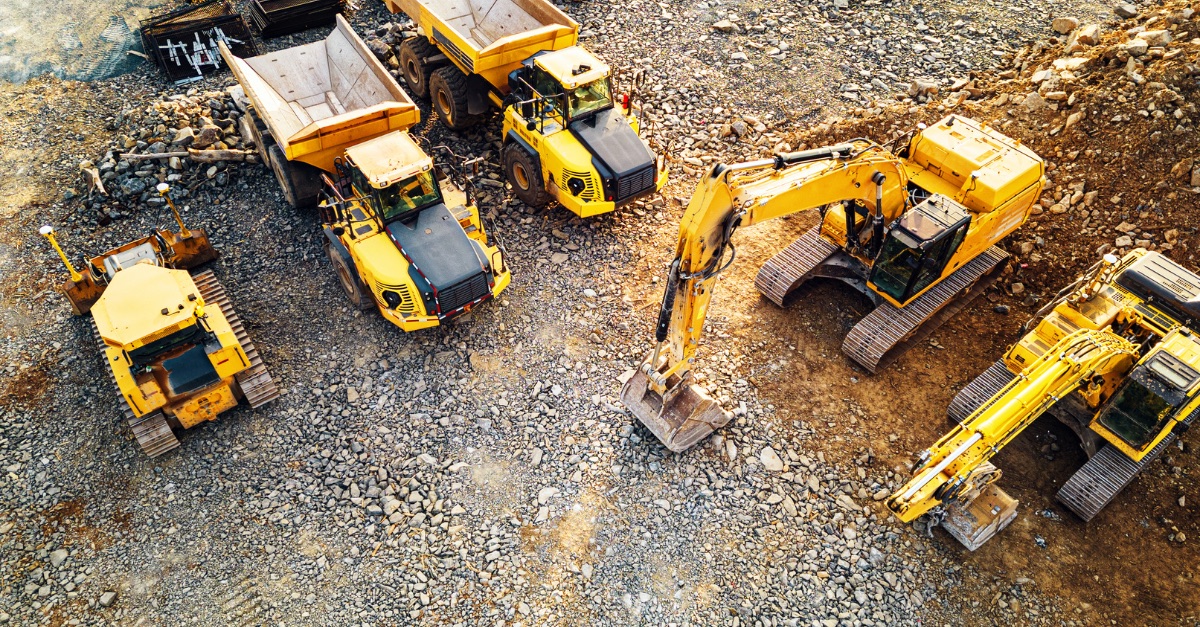
Section 232 duties on construction equipment, forklifts, and mobile industrial machinery changed again on June 1, 2026. The headlines focus on rate cuts, but eligibility depends on origin, classification, and metal content.
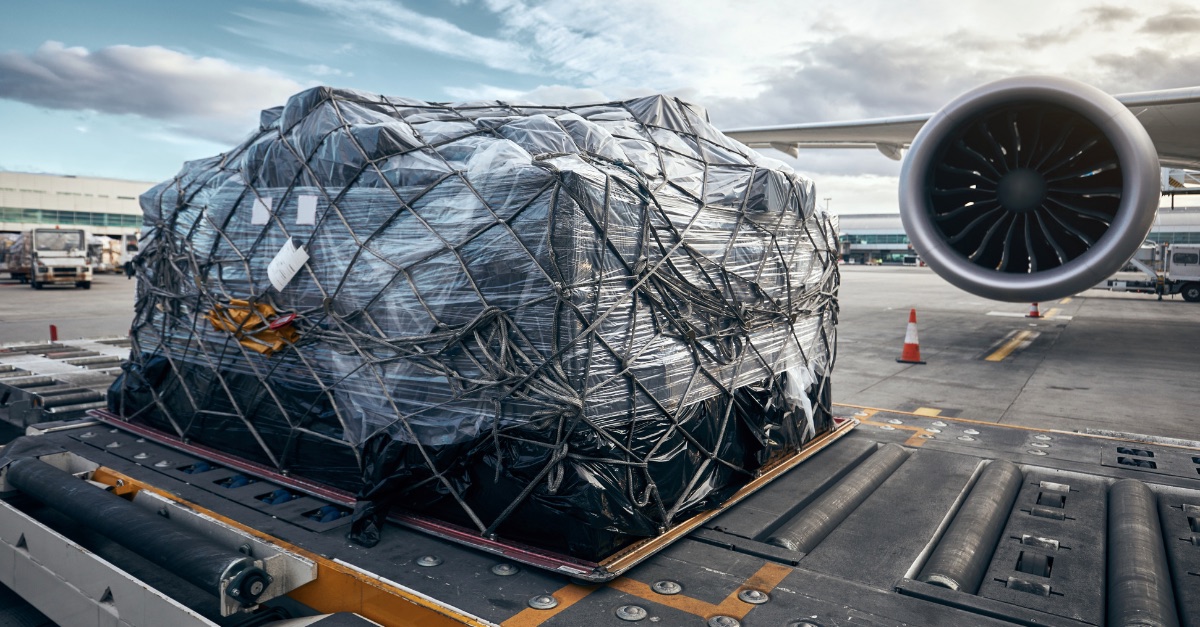
International freight is already complicated. Figuring out where your shipment is — and what 'in transit' actually means right now — shouldn't add to that.
A new presidential proclamation restructured Section 232 tariffs on steel, aluminum, and copper effective April 6, 2026 — and for a narrow category of industrial equipment, Annex III opens a temporary window of relief before it closes at the end of 2027.
If you're importing chemicals, machinery, or high-value goods right now, the noise around U.S. import duties, tariffs, and trade policy isn't abstract. It's a line item.
In Learning Resources, Inc. v. Trump, the Supreme Court ruled 6-3 that the president lacked authority under IEEPA to impose tariffs. If your business paid IEEPA duties, you may be entitled to a refund — but the clock is already ticking.
Smooth intermodal integration between rail and truck transport is critical for an efficient, sustainable U.S. supply chain. The first and last miles often determine whether a shipment succeeds.